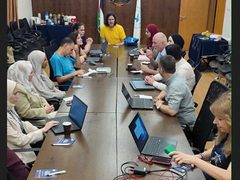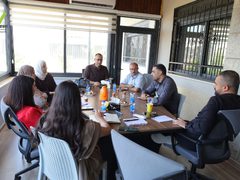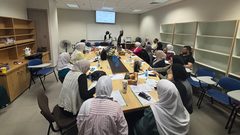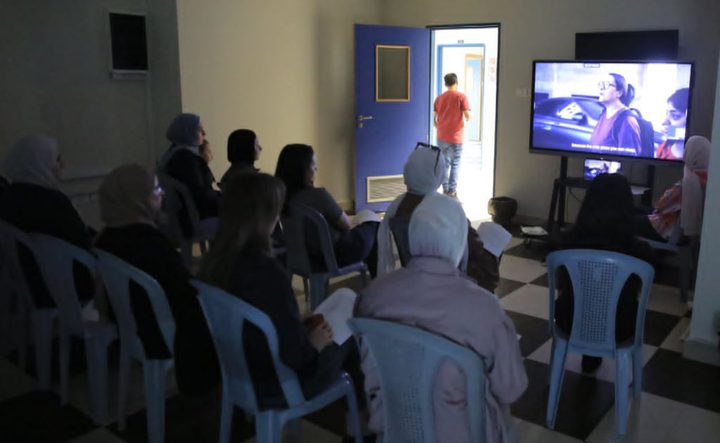
النجاح الإخباري - نظم مركز الإعلام في جامعة النجاح الوطنية، اليوم الأربعاء، عرضًا للفيلم الوثائقي «Refugee Girls» للمخرج ليوناردو تشينيري لومبروسو، أعقبه نقاش مفتوح مع المخرج، بمشاركة عدد من الصحفيين وطلبة الإعلام والصحافة، وذلك في إطار الأنشطة الثقافية والإعلامية التي ينظمها المركز.
ويتتبع الفيلم حياة روبينا وبوجينا وصوفيا، ثلاث طالبات جامعيات لاجئات، مستكشفًا تجاربهن مع اللجوء وما يرافقه من صعوبات وآثار للماضي وتحديات مرتبطة بالهوية والثقافة، إلى جانب الفرص الجديدة التي أتاحتها لهن الحياة في أوروبا.
ويسعى الفيلم إلى مقاربة معنى أن يكون الإنسان لاجئًا، من خلال تتبع آثار الماضي وتجارب النزوح والتحديات التي تواجه الشخصيات في بناء حياتهن الجديدة، مع التركيز على التعليم والاندماج والفرص المتاحة أمامهن في أوروبا.
ويأتي الفيلم من إنتاج اتحاد الجامعات المتوسطية (UNIMED)، ضمن مشروع UNI(di)VERSITY، وبالتعاون مع جامعة سابينزا في روما، ومؤسسة التضامن التابعة لجامعة برشلونة، ورابطة الجامعات الأوروبية (EUA)، والمنظمة الدولية للهجرة (IOM)، وبدعم من برنامج إيراسموس+ التابع للاتحاد الأوروبي.
وأتاح عرض الفيلم للحضور فرصة التعرف إلى تجربة سينمائية وثائقية تقترب من قضايا اللجوء من خلال قصص شخصية، وتوظف السرد البصري لطرح قضايا تتصل بالهوية والانتماء والتعليم والاندماج والمستقبل.
وعقب العرض، شارك المخرج ليوناردو تشينيري لومبروسو في نقاش مفتوح مع الصحفيين وطلبة الإعلام والصحافة، تناول تجربة إنتاج الفيلم، واختيار الشخصيات، وآليات بناء القصص الإنسانية في العمل الوثائقي، وكيفية تحويل التجارب الشخصية للاجئات إلى سرد بصري يلامس قضايا أوسع تتعلق باللجوء والهوية والتعليم والمستقبل.
وشهد النقاش تفاعلًا من الحضور، الذين طرحوا أسئلة حول دور الفيلم الوثائقي في نقل تجارب اللاجئين، وحدود العلاقة بين المخرج والشخصيات، والتحديات الأخلاقية والفنية التي تواجه صناع الأفلام عند الاقتراب من القصص الإنسانية الحساسة.
ويأتي تنظيم العرض ضمن جهود مركز الإعلام في جامعة النجاح الوطنية لتعزيز حضور السينما الوثائقية في البيئة الأكاديمية، وفتح مساحات للحوار بين الطلبة والصحفيين والمبدعين وصناع الأفلام، بما يربط المعرفة النظرية بالتجارب الإعلامية والإنسانية الحية.
An-Najah Media Center Hosts Director of "Refugee Girls" for Dialogue on Asylum and Identity The Media Center at An-Najah National University hosted a screening of the documentary film "Refugee Girls" on Wednesday, directed by Leonardo Cinieri Lombroso, followed by an open discussion with the director. The event, attended by journalists and journalism students, was held as part of the Center's ongoing cultural and media programming. The documentary follows Robina, Bozhena, and Sofia, three refugee university students, tracing their journeys through asylum and displacement. It examines the lasting effects of the past, the challenges of navigating identity and culture in a new setting, and the opportunities that life in Europe has opened up for them. Through these personal narratives, the film explores what it means to be a refugee, highlighting the obstacles the three women faced in rebuilding their lives, with particular attention to education, integration, and the possibilities available to them in their host countries. "Refugee Girls" was produced by the Mediterranean Universities Union (UNIMED) as part of the UNI(di)VERSITY project, in partnership with Sapienza University of Rome, the University of Barcelona's Solidarity Foundation, the European University Association (EUA), and the International Organization for Migration (IOM). The project received support from the European Union's Erasmus+ program. The screening offered attendees a close look at a documentary approach to asylum issues grounded in personal storytelling, using visual narrative to explore themes of identity, belonging, education, integration, and the future. Following the screening, director Leonardo Cinieri Lombroso joined journalists and journalism students for an open discussion on the making of the film. He spoke about the process of selecting the film's subjects, the craft of constructing human stories in documentary work, and how the personal experiences of refugee women were shaped into a visual narrative addressing broader questions of asylum, identity, education, and the future. The discussion drew active engagement from attendees, who raised questions about the role of documentary film in conveying refugee experiences, the boundaries of the relationship between a director and the subjects of a film, and the ethical and artistic challenges filmmakers encounter when telling sensitive human stories. The event reflects the continued efforts of An-Najah National University's Media Center to strengthen the presence of documentary cinema within the academic environment, creating spaces for dialogue among students, journalists, and filmmakers that connect theoretical knowledge with lived media and human experience.