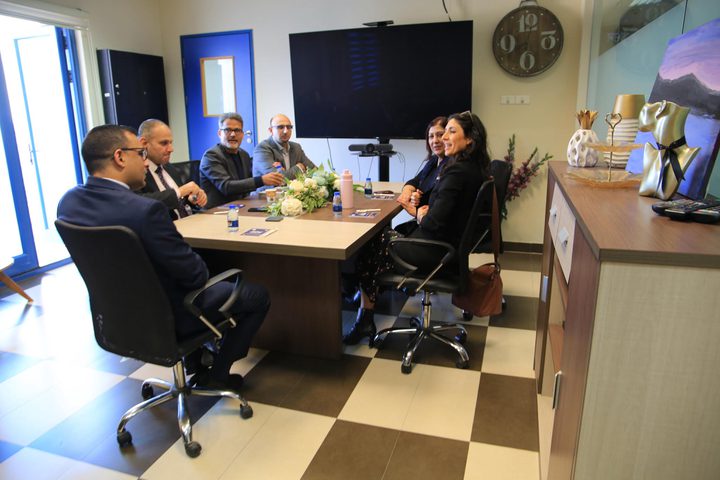
نابلس - النجاح الإخباري - استقبل مركز إعلام جامعة النجاح الوطنية، اليوم الثلاثاء، وفدًا من منظمة الأمم المتحدة للتربية والعلم والثقافة "اليونسكو"، ضمّ ممثلة المنظمة ليلي نيستني-هايلو، ومسؤولة الاتصال والتواصل في مكتب اليونسكو برام الله هلّا طنوس.
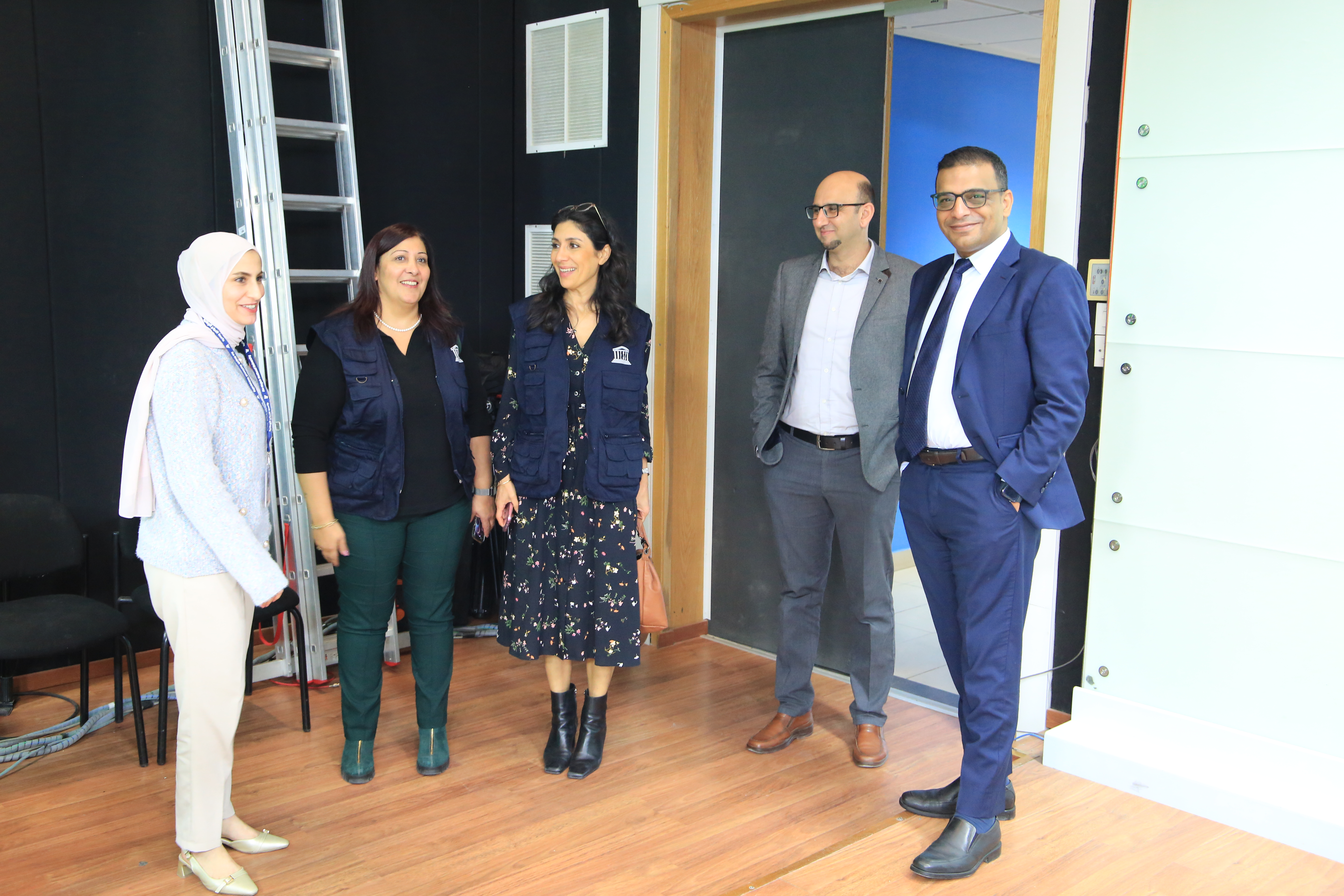
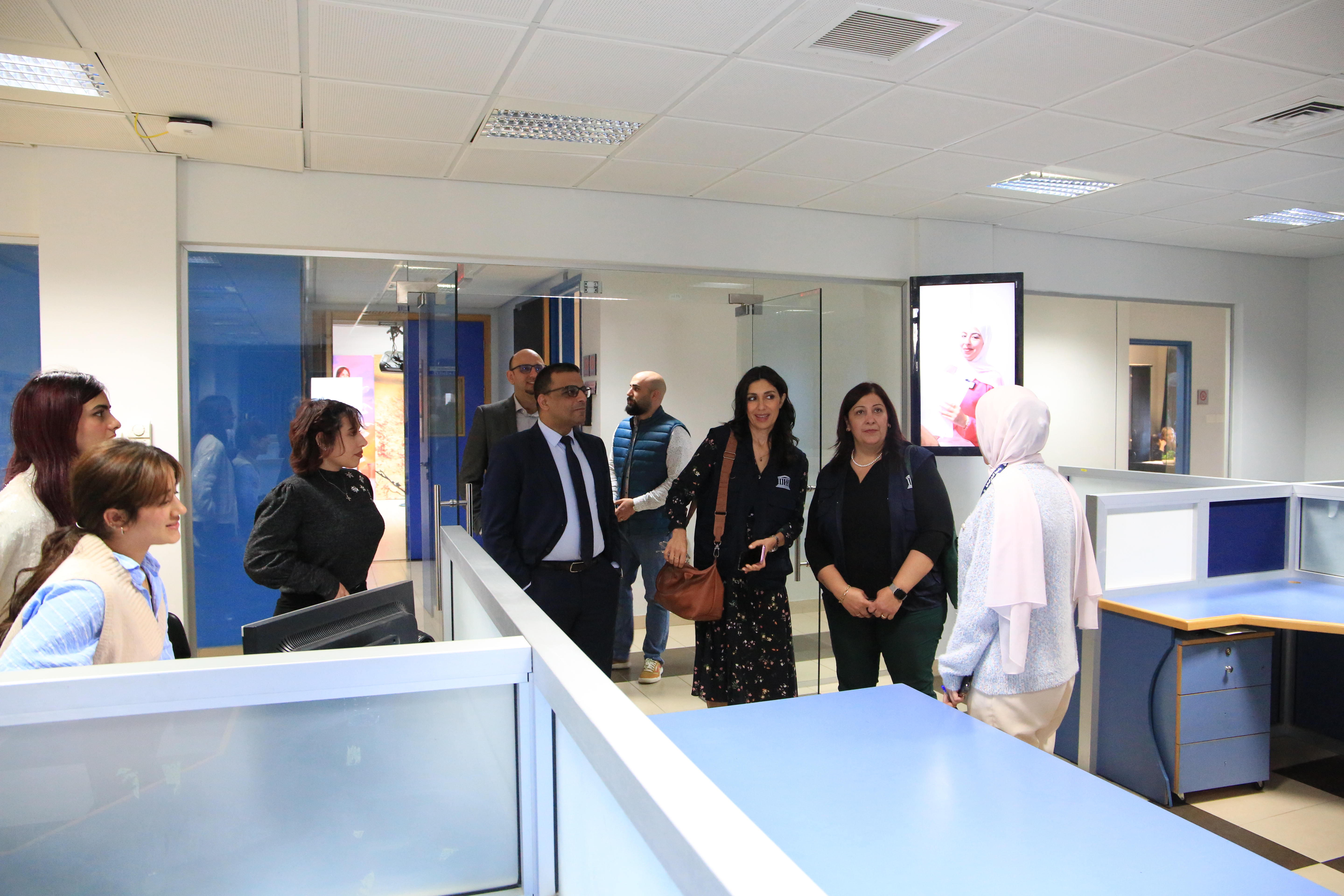
وكان في استقبال الوفد كلاً من د. رأفت الجلاد عميد كلية الأعمال والاتصال في جامعة النجاح، ود. عبد الكريم دراغمة مدير وحدة المشاريع والمنح، ود. أنس طعمة مسؤول وحدة الذكاء الاصطناعي في الجامعة ومدير مركز الاعلام غازي مرتجى والزميلة حنين بكر مسؤولة المشاريع بالمركز.
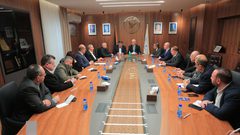
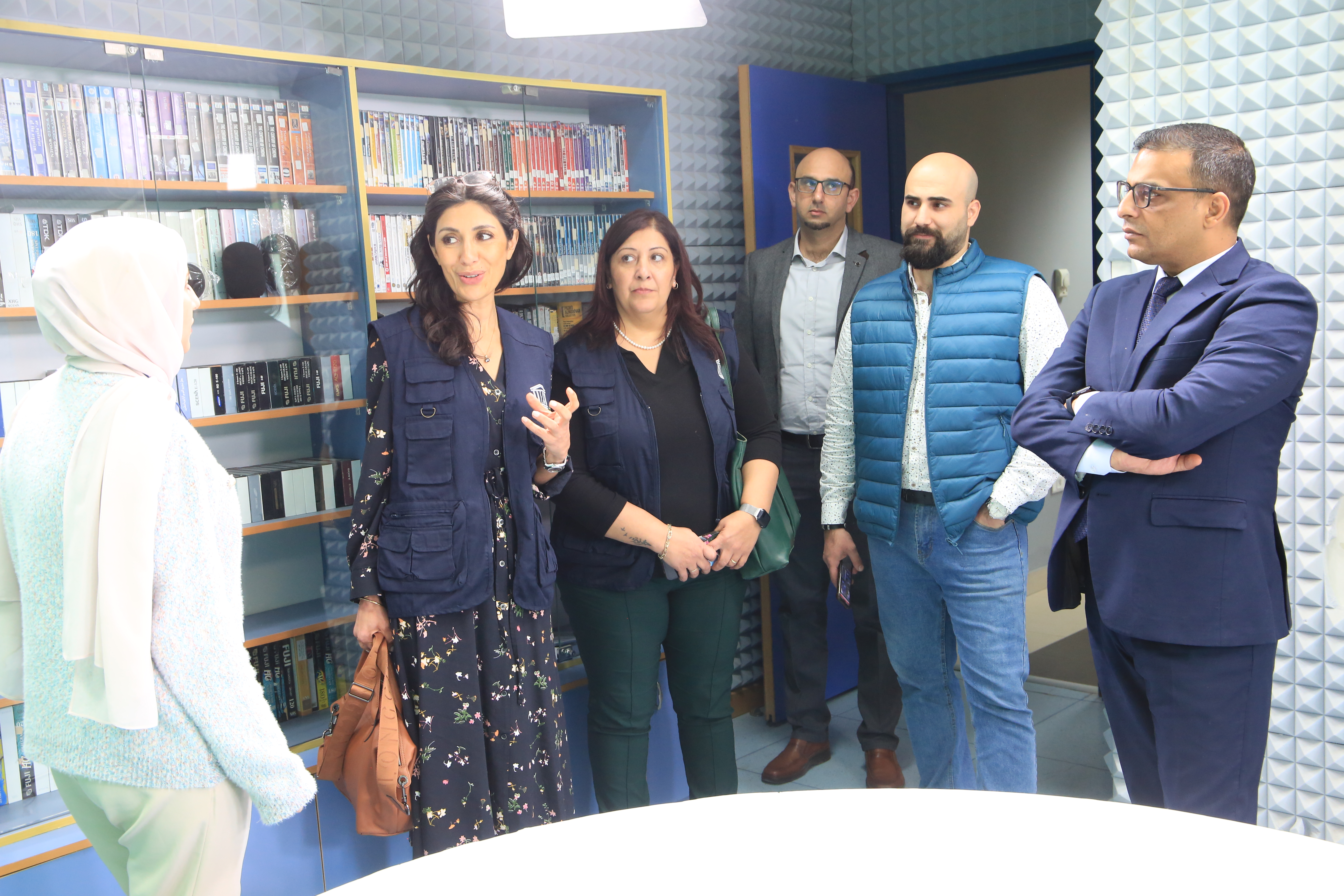
وبحث الجانبان خلال الزيارة سبل تعزيز التعاون المشترك، واستكشاف آفاق تطوير مشاريع ثقافية وأكاديمية وإعلامية، إضافة إلى التعرّف على أقسام المركز ووحدة Liminal المخصصة لتطوير أدوات الذكاء الاصطناعي في الإعلام، والاطلاع على تطور العمل الإعلامي فيه.
وقدّم مركز إعلام النجاح عرضًا حول خطته للتحول التدريجي نحو أنظمة الذكاء الاصطناعي، بعد أن أنجز خلال العامين الماضيين الرقمنة الكاملة للعمل الإداري والإنتاجي، وأطلق مختبر الصحافة الذكية الذي يوظّف أدوات تحليل البيانات وتوليد المحتوى الآلي وإدارة البث التفاعلي عبر منصات متعددة، في خطوة تُعد نقلة نوعية في عمل المؤسسات الإعلامية الأكاديمية.
وناقش المجتمعون تطورات انشاء الاذاعة الخاصة بغزة والتي سيطلقها مركز الإعلام بالجامعة قبل نهاية العام الجاري. وجرى بحث امكانية تمويل جزء من عمليات الاذاعة عبر اليونسكو.
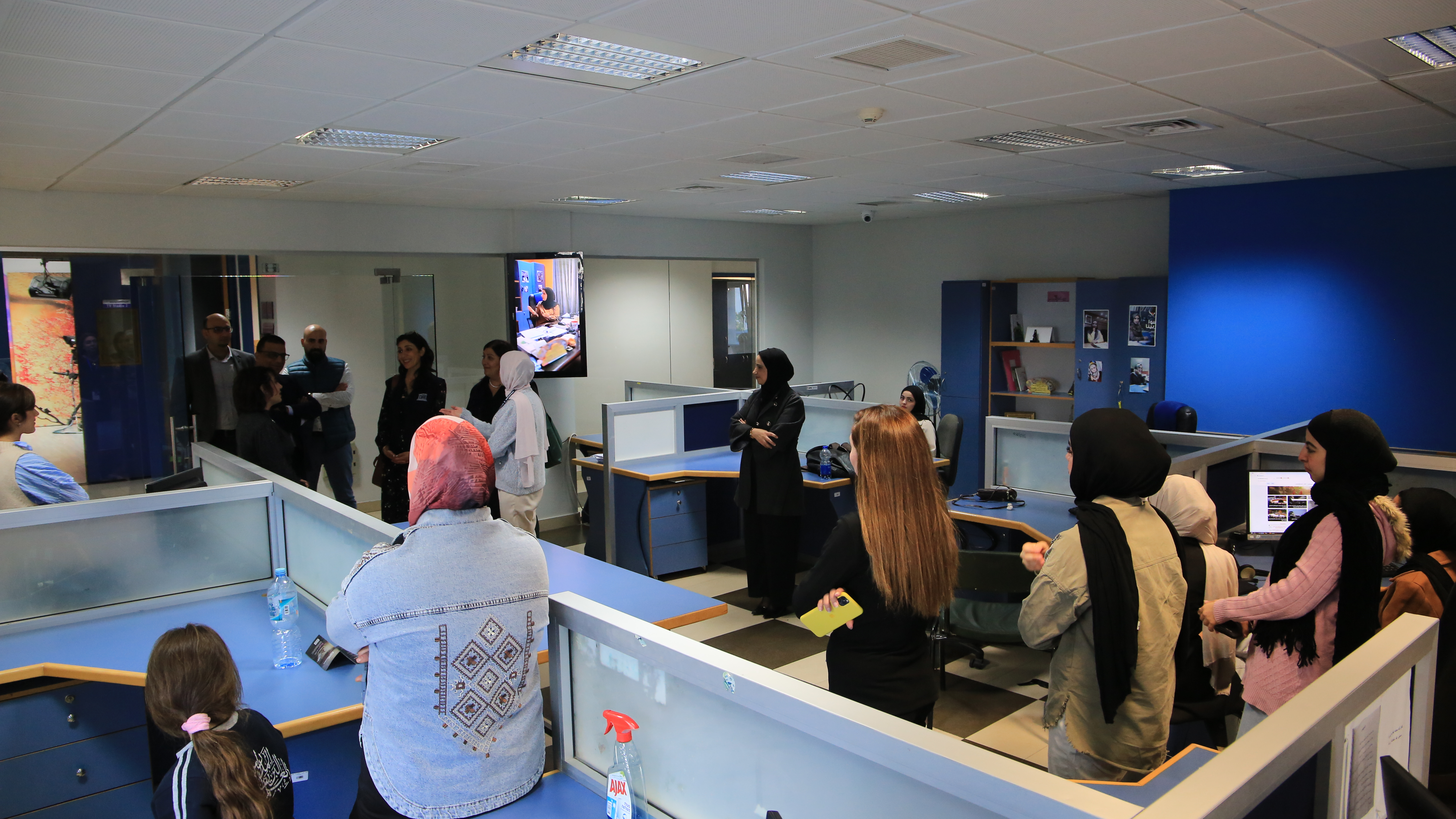
وخلال الزيارة، التقى الوفد مجموعة من الطلبة المتدربين في المركز، الذين تحدّثوا عن أثر التدريب في تعزيز مهاراتهم الإعلامية، مثمنين دور المركز وطاقمه في توفير بيئة عملية داعمة ومطورة لقدراتهم. وأبدت ممثلة اليونسكو إعجاباً كبيراً بالتقدم الذي حققه المركز، وبقدراته في دمج الذكاء الاصطناعي في الإنتاج الإعلامي الحديث.
English Version Below
Al-Najah University Media Center Hosts UNESCO Delegation, Showcases AI Advancements and Discusses Gaza Radio Project
Nablus, Palestine – The Media Center at An-Najah National University on Tuesday welcomed a delegation from the United Nations Educational, Scientific and Cultural Organization (UNESCO). The visit aimed to explore avenues for enhanced cooperation, review the center's technological advancements, and discuss future projects, including a planned radio station for Gaza.
The UNESCO delegation included Ms. Lily Neyestani-Hailu, the organization's representative and Head of Office, and Ms. Hala Tannous, Senior Secretary and Communication and Information Focal Point at the UNESCO Ramallah office.
They were received by several key university officials, including Dr. Raafat Al-Jallad, Dean of the Faculty of Business and Communication; Dr. Abdul Karim Daraghmeh, Director of the Projects and Grants Unit; Dr. Anas To'ma, Head of the Artificial Intelligence Unit at the university; Eng. Ghazi Mortaja, Director of the Media Center; and Ms. Haneen Bakr, Projects Officer at the center.
During the visit, both parties engaged in discussions focused on strengthening joint cooperation and exploring prospects for developing cultural, academic, and media projects. The delegation was also introduced to the center's various departments, including the Liminal Unit, which is dedicated to developing artificial intelligence tools for media, and gained insights into the evolution of media work within the institution.
The Media Center presented its strategic plan for a gradual transition towards AI-driven systems. The center highlighted its achievements over the past two years, which include the complete digitization of administrative and production operations. It also showcased its Smart Journalism Lab, an initiative that employs data analysis tools, automated content generation, and interactive broadcast management across multiple platforms. This development was described as a significant qualitative leap for academic media institutions.
Discussions also covered the progress in establishing a dedicated radio station for Gaza, which the Media Center intends to launch before the end of the current year. The possibility of UNESCO providing partial funding for the radio station's operations was also explored.
The UNESCO delegation also met with a group of student trainees at the center. The students shared their experiences, emphasizing the positive impact of the training on enhancing their media skills and expressing appreciation for the center's supportive environment. Ms. Neyestani-Hailu, the UNESCO representative, conveyed her strong admiration for the center's achievements and its capabilities in integrating artificial intelligence into modern media production.